
Category: Religious Store
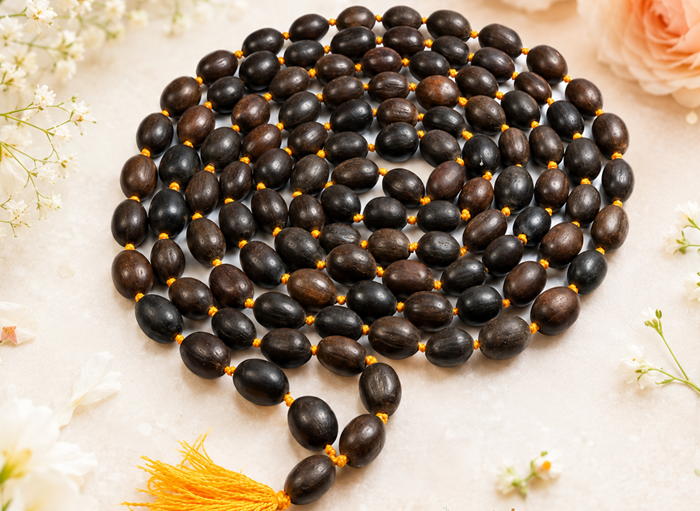
Why Is Kamal Gatta Mala Used in Lakshmi Puja?
A Kamal Gatta Mala (lotus seed mala) is considered highly auspicious for the worship of Goddess Lakshmi. According to Hindu traditions, it is associated with wealth, prosperity, good fortune, and positive energy.
1. The Lotus Is the Sacred Seat of Goddess Lakshmi
According to Hindu beliefs, Goddess Lakshmi is seated on a beautiful lotus flower. Because of this, everything connected with the lotus, including Kamal Gatta (dried lotus seeds), is considered sacred and is believed to attract her blessings.
2. Symbol of Wealth and Prosperity
Devotees use a Kamal Gatta Mala while chanting Lakshmi mantras to pray for financial growth, happiness, and peace. It is traditionally believed to help remove obstacles related to wealth and invite prosperity into the home.
3. Represents Purity
A lotus grows in muddy water but remains clean and beautiful. This teaches us to stay pure in our thoughts and actions, even when facing challenges in life.
4. Ideal for Chanting Lakshmi Mantras
Many devotees use a Kamal Gatta Mala to chant Lakshmi mantras such as “Om Shreem Mahalakshmyai Namah.” It is believed that using this mala helps improve focus, devotion, and concentration during prayer.
5. Symbol of Positive Energy
According to traditional beliefs, a Kamal Gatta Mala represents positive energy and creates a peaceful and spiritual atmosphere in the home and prayer room.
How to Use a Kamal Gatta Mala for Chanting
Follow these simple steps:
- Take a bath and wear clean clothes before starting the puja.
- Light a diya (oil lamp) and incense in front of Goddess Lakshmi’s idol or picture.
- Hold the Kamal Gatta Mala in your hand.
- Chant your chosen Lakshmi mantra 108 times with faith and full concentration.
- After completing the chanting, keep the mala in a clean and sacred place, such as your home temple.

How to Use the Tulsi Mala for Japa
- Start with Clean Hands & Heart
Bathe or wash your hands before starting Japa. - Sit in a Quiet and Sacred Place
Choose a corner of your home temple, or a peaceful corner facing east. - Hold the Mala Properly
- Use the right hand, with the mala draped over your middle finger.
- Do not touch with the index finger.
- Use your thumb to move the beads, one at a time.
- Skip the Meru (Guru) Bead
The larger bead (Meru or Guru bead) is not crossed. Upon reaching it, turn the mala and begin counting in reverse. - Focus on a Mantra
Chant your chosen mantra — examples:
- “Hare Krishna Hare Krishna Krishna Krishna Hare Hare…”
- “Om Namo Bhagavate Vasudevaya”
- “Om Namah Shivaya”
- Complete 1, 3, or 11 rounds depending on your sankalp or daily practice.
 Benefits of Using an Energized Tulsi Mala
- Enhances focus and mindfulness during meditation
- Creates a strong spiritual vibration
- Brings peace, protection, and divine blessings
- Helps in emotional healing and reduces anxiety
 Do’s and Don’ts
 Do’s:
Do’s:
- Store in a clean cloth bag (Japa Mala Jholi)
- Keep it near your deity or sacred place
- Use it daily for spiritual connection
 Don’ts:
- Avoid wearing it in washroom or while eating non-sattvic food
- Don’t let others use or touch your mala
- Avoid placing it directly on the floor

Best Quality Tulsi Kanthi Mala Online – How to Choose and Where to Buy
Tulsi Kanthi Mala is not just an ornament – it is a sacred symbol of devotion, purity, and protection. For millions of devotees of Lord Krishna, Vishnu, and devotees in the Gaudiya Vaishnav, ISKCON, and other sampradayas, wearing a Tulsi Kanthi Mala is a daily spiritual practice. But in today’s world of online shopping, finding the best quality Tulsi Kanthi Mala online can be difficult. Many fake, machine-made, or plastic-based malas are being sold in the name of Tulsi.
If you’re searching for pure, handmade, and original Tulsi Kanthi Mala, here’s a complete guide to help you make the right choice.
✅ What is Tulsi Kanthi Mala?
Tulsi (Holy Basil) is considered the most sacred plant in Hinduism. A kanthi mala made from Tulsi wood is worn around the neck by devotees. It is believed to:
Protect the wearer from negative energy
Help in spiritual upliftment
Increase concentration during japa (chanting)
Please Lord Krishna and Vishnu
There are different types of Tulsi Kanthi malas, such as:
Ek round (single layer)
Do round (double layer)
Teen round (triple layer)
Black Tulsi / Shyama Tulsi
Rama Tulsi
Neem Kanthi Mala (popular in South India)
Beware of machine-made or plastic malas that only look like Tulsi but have no spiritual power.
🌐 Where to Buy the Best Tulsi Kanthi Mala Online?
At OriginalTulsiMala.com, we bring you:
✔️ 100% Pure Tulsi Wood
✔️ Handmade by Vaishnav artisans in Vrindavan
✔️ Available in 1, 2, and 3 rounds
✔️ Shyama Tulsi, Rama Tulsi, and Neem variants
You can explore our full range of products, from Tulsi Kanthi Mala for kids, men, and women to premium japa malas, and even custom mala orders for temples and gifting.
🙏 Why Choose Us?
🛕 Rooted in Vrindavan traditions
🌿 Only pure and spiritually energized malas
📦 Secure packaging and delivery
💬 Personalized customer support
✨ Final Words
Wearing a Tulsi Kanthi Mala is a blessing – but only if it’s original. At https://www.originaltulsimala.com/ , we are committed to delivering authentic spiritual products to your doorstep with devotion and care.
🛒 Ready to buy? Browse our collection:
👉 Shop Now

why should we wear black tulsi mala?
Wearing a Black Tulsi Mala (also called Shyama Tulsi Mala) holds both spiritual and symbolic significance, especially in the Vaishnavite and Bhakti traditions. Here’s why people choose to wear a black Tulsi mala:
🌿 1. Deep Devotion to Lord Krishna or Lord Vishnu
Shyama Tulsi is believed to be the darker form of Tulsi, which is intimately associated with Shri Krishna’s Shyama (dark) form.
Devotees wear it to express their unwavering bhakti (devotion) and closeness to Lord Krishna, Radha Rani, and the divine Vrindavan Leela.
🧘♂️ 2. Protective Energy
It is said that black Tulsi wood absorbs negative energies and protects the wearer from evil eye, negativity, and bad influences.
Often worn during sadhana, japa, or vrat, especially when one is seeking spiritual protection.
🌌 3. Symbol of Simplicity and Surrender
The black color symbolizes detachment, renunciation, and humility.
Wearing a Shyama Tulsi Mala indicates that the wearer is walking a path of spiritual surrender and simplicity, often found in those doing Naam Sewa (chanting the divine name).
🕉️ 4. Boosts Spiritual Vibration
Tulsi itself is a highly sattvic (pure) plant. When made into a black Tulsi mala, it continues to radiate subtle positive vibrations.
Enhances focus during japa (chanting) and dhyana (meditation).
🔁 5. Connection to Vrindavan Bhakti Parampara
Shyama Tulsi is particularly cherished in Vrindavan traditions, especially among those devoted to Shri Radha Rani.
It is worn by many Vaishnavas as a mark of being in service to the Divine Couple (Radha-Krishna).
Top Trusted Online Stores for Black Tulsi Mala (Shyama Tulsi)
Authenticity: Original Tulsi malas sourced from Vrindavan.
Collection: Offers Shyama Tulsi malas, kanthis, bracelets, and locket malas.
Specialty: Handmade, spiritually charged by devotees. They often carry ISKCON-style designs too.
Keywords to search: “Shyama Tulsi Mala”, “Black Tulsi Mala”, “Vrindavan Kanthi”2. 🌐 https://www.originaltulsimala.com
Specialized Store for Tulsi products.
Known for exclusive Shyama Tulsi malas, including:
Shyama Tulsi double or triple-layered Kanthi
Locket malas with Shri Radha or Shri Krishna nameplates
Shipping across India and abroad

The Spiritual Importance of Keeping a Sakshi Mala – A Devotee’s Witness
In the journey of bhakti (devotion), every small tool or accessory used by a devotee holds immense meaning. One such powerful but often underrated tool is the Sakshi Mala — a spiritual companion that stands not just as a counter, but as a silent witness to your japa practice.
🔎 What Is a Sakshi Mala?
The word Sakshi means witness in Sanskrit. A Sakshi Mala is a smaller mala made of 20 beads) that is not used for chanting but is kept to count the number of rounds you chant on your main japa mala (108 beads).
📿 It is widely used in ISKCON, Gaudiya Vaishnava, and other spiritual traditions that involve daily mantra meditation, such as chanting the Hare Krishna Mahamantra.
🌟 Why Use a Sakshi Mala?
1. ✅ Spiritual Witness to Your Practice
The Sakshi Mala acts as a divine witness to your daily chanting commitment. Every time you complete one round of your main tulsi japa mala, you move one bead on the Sakshi Mala — symbolizing your offering to the Lord.
It’s not about numbers, but about discipline and devotion. The Sakshi Mala silently keeps you accountable.
2. 🧘♂️ Keeps You Focused
When you’re deeply immersed in chanting, stopping to remember how many rounds you’ve done can interrupt your flow. The Sakshi Mala provides a non-intrusive way to track your progress without breaking concentration.
3. 🕉️ Avoids Misuse of Japa Mala
The japa mala is sacred. Many devotees believe it should only be touched when chanting the Holy Name, not for counting. Sakshi Mala lets you count rounds separately, maintaining the sanctity of your japa mala.
4. 📿 Helps in Vow Fulfillment
Many devotees take vows (vrata) to chant a fixed number of rounds daily — 4, 8, 16, or more. Sakshi Mala helps uphold those vows by keeping an honest, visible count.
🙌 How to Use a Sakshi Mala (Step-by-Step)
Place it in front of you during japa.
After each 108-bead round, move one bead of the Sakshi Mala forward.
After completing your set number of rounds, reset the Sakshi Mala for the next session or next day.
🌸 Final Thoughts
The Sakshi Mala is not just for counting — it is for accountability, purity, and sincerity. It becomes a subtle but powerful part of your sadhana (spiritual discipline). Whether you’re a beginner or a seasoned practitioner, using a Sakshi Mala can bring depth, routine, and mindfulness to your japa.
📌 Are You Looking for an Authentic Sakshi Mala? Explore our collection of:
✅ Tulsi Sakshi Malas
✅ Neem and Kadamba wood malas
🛒 Shop Sakshi Malas Now — Purely handcrafted in Vrindavan.

Is It Okay to Eat Onion and Garlic with Tulsi Kanthi Mala?
The Tulsi Kanthi Mala, also known as the sacred basil necklace, holds deep spiritual significance in Hinduism—especially for devotees of Lord Vishnu and Krishna. Many people wear this mala to stay spiritually connected, but an important question arises:
Is it okay to eat onion and garlic while wearing Tulsi Kanthi Mala?
In Ayurveda and Hindu philosophy, food is categorized into:
- Sattvic (pure, peaceful)
- Rajasic (stimulating)
- Tamasic (dulling, impure)
Onion and garlic fall under Tamasic foods. They are believed to:
- Increase aggression and restlessness
- Lower spiritual consciousness
- Distract the mind from meditation and bhakti
That’s why many spiritual practitioners avoid them—especially while wearing sacred items like the Tulsi Mala.
What Do Scriptures and Traditions Say?
Devotees in Vaishnav and ISKCON traditions are advised to follow a Sattvic diet—which excludes onion, garlic, and meat. This helps maintain:
- Mental clarity
- Spiritual purity
- Better focus during japa and puja
Hence, eating onion or garlic while wearing Tulsi Kanthi Mala is discouraged in these spiritual traditions.
What If You Can’t Avoid Onion and Garlic?
Let’s be practical. If you are:
- A student
- A working professional
- Living in a mixed-diet household
—then avoiding onion and garlic completely might be difficult. In that case:
- Maintain respect for the Tulsi Mala
- Wear it only after bathing and cleaning
- Try to gradually move toward a sattvic lifestyle if your heart desires it
Tulsi Mala is about devotion, not dogma.
Spiritually, it’s not ideal. But it is not forbidden.
Wearing the mala should inspire growth, not guilt. Start where you are and let your spiritual journey evolve naturally. Many devotees begin wearing the Tulsi Mala and over time develop the strength and desire to adopt a sattvik lifestyle.

जप माला को गोमुखी में रखने का क्या कारण है?
जाप माला को गौमुखी (गोमुखी) में रखने का विशेष कारण आध्यात्मिक, धार्मिक और व्यावहारिक तीनों दृष्टिकोणों से होता है। नीचे इसके मुख्य कारण दिए गए हैं:
🌺 1. शुद्धता और पवित्रता बनाए रखने के लिए
जप माला भगवान के नाम का स्मरण करने का माध्यम होती है। इसे गोमुखी में रखने से यह बाहरी अशुद्धियों से बची रहती है और उसकी पवित्रता बनी रहती है।
🙏 2. दिखावे से बचने के लिए (गोपनीयता)
भगवन्नाम का जाप एक अत्यंत निजी साधना मानी जाती है। गोमुखी के अंदर माला रखकर जाप करने से यह साधना लोगों की नजरों से छिपी रहती है, जिससे अहंकार नहीं आता और भक्ति गोपनीय बनी रहती है।
🕉 3. एकाग्रता बनाए रखने के लिए
गोमुखी में माला रखने से माला बार-बार हाथ से फिसलती नहीं और मन एकाग्र रहता है। इससे जाप की गति भी स्थिर रहती है।
🌸 4. माला का सम्मान बनाए रखने के लिए
तुलसी या रुद्राक्ष की माला को भगवान का स्वरूप माना जाता है। उसे हर जगह खुला रखना या छूना उचित नहीं माना जाता। गोमुखी माला की मर्यादा बनाए रखती है।
🌿 5. परंपरा और गुरु-शिष्य परंपरा का पालन
गोमुखी का प्रयोग वैष्णवों और संतों की परंपरा से चला आ रहा है। यह भक्ति मार्ग में शरणागत भाव और अनुशासन का प्रतीक भी है।
निष्कर्ष:
जैसे हम मंदिर में भगवान को पर्दे के भीतर रखते हैं, वैसे ही माला को गोमुखी में रखना उसकी महिमा, गोपनीयता और मर्यादा को बनाए रखने का प्रतीक है। यह साधना की पवित्रता और भक्त के विनम्र भाव को दर्शाता है।
हमारे पास विविध श्रेणि
यों में सुंदर एवं उत्तम गुणवत्ता वाले जप माला बैग्स (Bead Bags) का विशेष संग्रह उपलब्ध है। ऑनलाइन खरीदारी हेतु कृपया नीचे दिए गए बटन पर क्लिक करें।

Why Participate in Bhog Sewa?
Bhog Sewa is a sacred opportunity to express love and devotion by offering food preparations to the deity. It is a powerful spiritual practice that brings immense blessings and inner satisfaction. Here’s why devotees participate in this divine service:
🙏 1. Receive Divine Blessings
When you offer bhog to the Lord, it is accepted as a gesture of devotion. The Lord accepts it lovingly and returns it as Mahaprasad, full of divine energy and mercy.
🌿 2. Purify the Mind and Heart
According to scriptures, food offered with love becomes spiritually purified (sattvik). Partaking in this service helps cleanse the mind, reduce ego, and foster humility.
💖 3. Strengthen Your Connection with the Lord
Bhog Sewa is an intimate way to serve the Lord personally. Whether you are near or far, it brings your heart closer to Him through loving service (bhakti).
🏡 4. Ideal for Those Far from Braj Dham
Even if you’re not in Vrindavan, Mathura, or Barsana, you can participate in Online Bhog Sewa. You remain connected to the holy dham through seva and receive Mahaprasad at home.
🎁 5. Offer Gratitude or Fulfill a Sankalp
Many devotees offer bhog to express thanks for blessings, seek spiritual progress, or fulfill a sankalp (spiritual vow) for health, success, or peace.
📅 6. Special Occasions & Festive Days
Participating in bhog sewa on birthdays, anniversaries, Ekadashi, Purnima, or Janmashtami multiplies the spiritual benefit and makes the occasion truly auspicious.
🧘♂️ 7. It Is a Part of Bhakti Yoga
Bhog Sewa is one of the nine forms of Navadha Bhakti (devotional service). Serving the Lord through food offering is a recognized path to spiritual liberation (moksha).
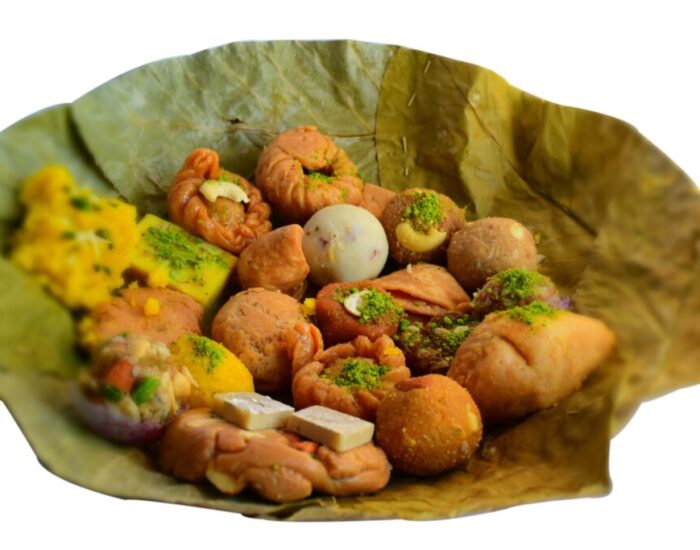
Authentic Prasad Bhog Sewa – Directly from Vrindavan & Mathura
We offer original Prasad Bhog Sewa online, sourced directly from the sacred temples of Vrindavan and Mathura. With devotion and purity, we ensure that the holy prasadi reaches your doorstep — wherever you are.
🌸 Our Divine Offerings Include:
Chhappan Bhog Prasadi Sewa – Mathura & Vrindavan
Shri Giriraj Maharaj Temple Prasadi – Govardhan, Mathura
Char Dham Temple Prasad – Vrindavan-Mathura
Krishna Janmabhoomi Janmasthan Mahaprasad
Shri Radhavallabh Lal Ji Temple Prasad – Vrindavan
Banshi Vat Prasadi – Vrindavan (Buy Online)
Shri Radha Rani Temple Prasad – Barsana (Online Delivery)
Shree Dwarikadhish Temple Prasad – Mathura
Shri Radha Raman Mandir Prasad – Vrindavan
Shri Banke Bihari Ji Prasad Seva – Vrindavan
Worldwide delivery available | 🙏 100% Satvik & Authentic
📞 For any queries, please call us at: 9205700981
Importance of Prasad in Hinduism
Prasad (also spelled prasadam) is a Sanskrit word meaning “grace” or “mercy.” In Hinduism, it refers to food and other offerings that are first presented to a deity and then distributed to devotees. Prasad is considered spiritually potent and holds deep religious and cultural significance.
1. Symbol of Divine Blessings
Prasad is not just food; it is seen as the mercy of the Lord. Once it is offered to the deity, it becomes sanctified. Consuming it is believed to purify the mind, body, and soul.
2. Act of Devotion and Surrender
Offering food to God before eating shows devotion and gratitude. It reminds the devotee that everything comes from the divine, and nothing truly belongs to us.
3. Spiritual Transformation
According to scriptures like the Bhagavad Gita and Srimad Bhagavatam, food offered with love and devotion becomes transcendental. Eating such food helps cleanse one’s karma and fosters spiritual progress.
4. Unity and Equality
In temples and religious gatherings, prasad is distributed equally to all, regardless of caste, status, or background. It promotes unity, humility, and a sense of community.
5. Expression of Bhakti (Devotion)
Making and offering prasad is a form of seva (service) to the Lord. It is a practical expression of love and devotion and often involves great care, purity, and attention to detail.
6. Cultural Tradition
Prasad is central to many Hindu festivals and rituals (e.g., laddus for Ganesh Chaturthi, charnamrit in temples, or makhan for Krishna Janmashtami). It connects people to tradition, heritage, and shared spiritual experiences.
Conclusion
Prasad is much more than blessed food—it is a sacred connection between the devotee and the divine. It reminds us of God’s mercy, reinforces humility, and strengthens our path of devotion.